
Clinic participation • Payment readiness

Find insurance that can pay your vet directly

A direct-payment feature is useful only when your actual veterinary practice can use it. Check the regular clinic, referral hospital and emergency location separately.

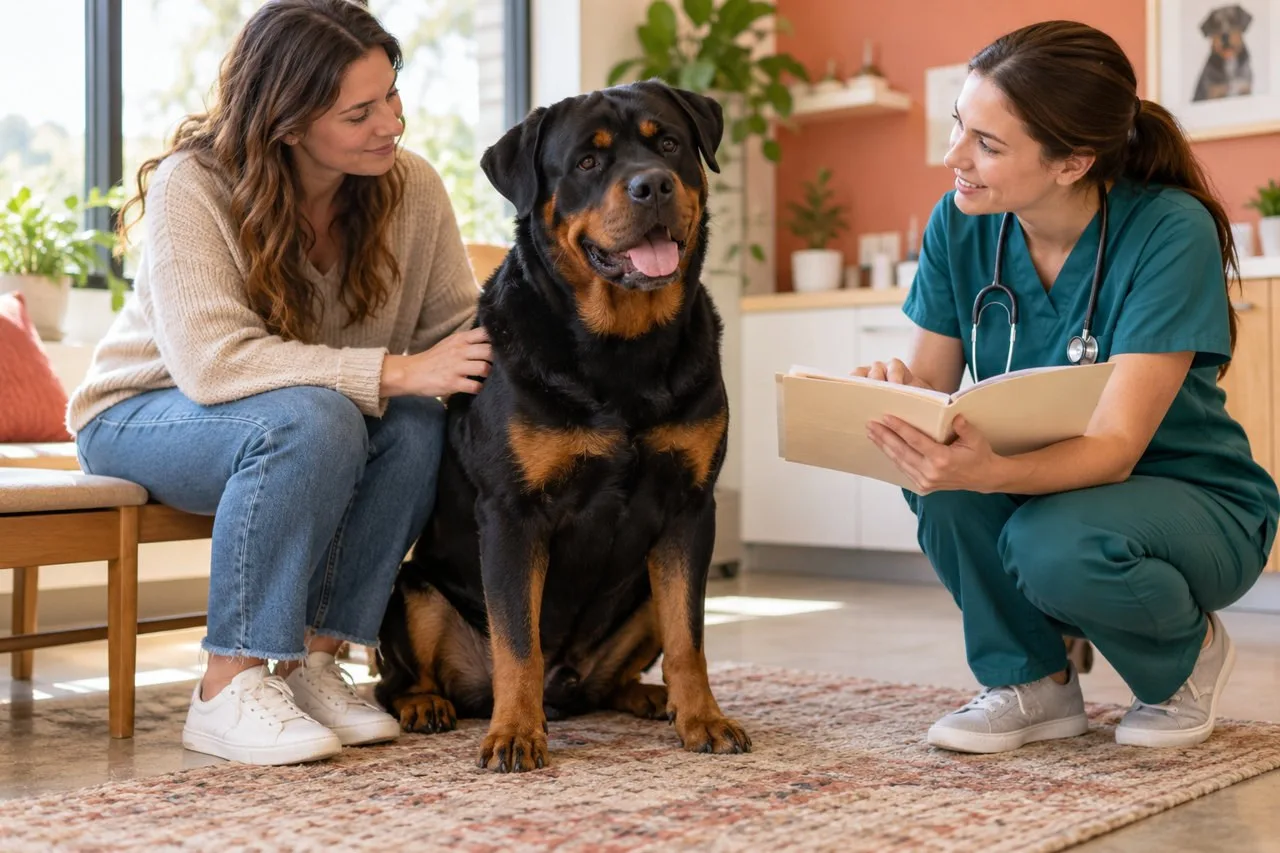
Owner and veterinary professional sitting beside a black-and-tan dog
✓ Policy-first ✓ Independent ✓ Useful checks
Direct answer
Trupanion and Pets Best offer ways for eligible insurance payments to reach a veterinarian directly. Trupanion uses participating-hospital checkout processing; Pets Best sends eligible reimbursement to the clinic after processing a claim and signed release. Before choosing either route, establish whether the practices you would use accept it and what payment they still require from you.
What to know

Two real routes, with different readiness tests

Route What the official process establishes What you must establish locally
Trupanion VetDirect Pay A participating hospital can submit the invoice for payment at checkout. Whether this exact location participates and can handle your visit through the system.
Pets Best Vet Direct Pay A completed claim plus the veterinary release routes eligible reimbursement to the clinic after processing. Whether the clinic will sign and wait for the insurer’s decision rather than collect the entire balance from you.

These are examples, not a complete list or a guarantee of approval. Do not use one insurer’s comparison page as proof of how another operates. A hospital’s willingness to send records is also weaker evidence than willingness to receive payment and carry an unsettled balance.

What to know

Make a three-practice readiness record

Write down the business name and location for your routine veterinarian, the specialist you would probably be referred to, and your after-hours emergency hospital. The same animal can receive separate invoices from all three. One positive answer does not establish an arrangement elsewhere.

  • For the routine clinic, ask who submits direct-payment claims and what happens when that person is absent.
  • For the referral hospital, ask whether a deposit remains due before the specialist starts work.
  • For the emergency location, ask whether the process is usable at night and on weekends, and what happens if a claim needs manual review.
  • For every site, record the staff member, confirmation date, remaining owner payment and fallback if the system is unavailable.

This record is a preparation tool, not a claim that any particular clinic participates. Ask the practice directly rather than assuming that another branch of the same hospital group has identical arrangements. If direct payment is essential to affordability, an unanswered emergency-site question is a material gap.

What to know

Check whether the invoice is still unpaid

Pets Best’s release says to use it when services have not been paid for and directs eligible reimbursement to the veterinarian. It requires the veterinarian’s signature, does not guarantee payment and leaves the owner responsible for outstanding amounts.

That makes the status of the invoice important. If you already paid, tell the insurer and practice before requesting a different payee. If part was paid as a deposit, identify the unpaid balance and ask which amount the release should address. Keep the practice’s agreement with the completed claim so the parties are working from the same facts.

Do not sign a form on behalf of the veterinary practice. Ask its authorized staff to handle its part. A release form cannot compel an unwilling practice to wait, and a payment feature cannot convert an excluded condition into eligible care.

Availability

Plan for the point where direct payment can fail

Unresolved issue Useful next step
The clinic does not participate Ask whether ordinary reimbursement would be required and decide whether you can fund that route.
The clinic participates but records are missing Identify the former practice or other record holder and request the insurer’s document checklist.
The claim cannot be decided during the visit Ask the clinic what it collects while review continues; do not assume a delayed decision waives payment.
Only part of the treatment is eligible Get the clinic’s itemized balance and the insurer’s explanation of the covered portion.

Hawaii’s insurance regulator notes that most veterinary billing still involves owners paying first and that veterinarians are not required to bill insurers directly. That general consumer warning is useful even when comparing a specific direct-payment feature: verify the exception rather than treating it as normal clinic billing.

Decision guide

Choose the route and the medical protection together

After establishing a usable payment path, read the offered coverage. Ask about the risks you intend to insure, the relevant history exclusions and the owner share. Keep a payment-method decision separate from a medical-benefit decision; both must work.

You should finish with a short conclusion such as: “My regular clinic accepts this arrangement; my emergency hospital requires a deposit; I can cover the deposit and the contractual share.” If the conclusion instead depends on every claim being approved immediately, the plan is not yet dependable enough to rely on.

For a pet needing care now, speak with the veterinary team about treatment and payment arrangements. Purchasing new insurance does not establish that a problem already underway will be paid.

Evidence

Sources and policy context

These public references support the consumer or veterinary context. Named insurer details were checked in official product materials; the policy offered for your pet and state determines the actual terms.

Next step

Compare Current Pet Insurance Rates

Check current options for your pet and location, then compare the policy details, exclusions, costs, and eligibility before choosing.

Compare the policy before you choose Check the actual offer, exclusions and out-of-pocket terms.
See Rate Options